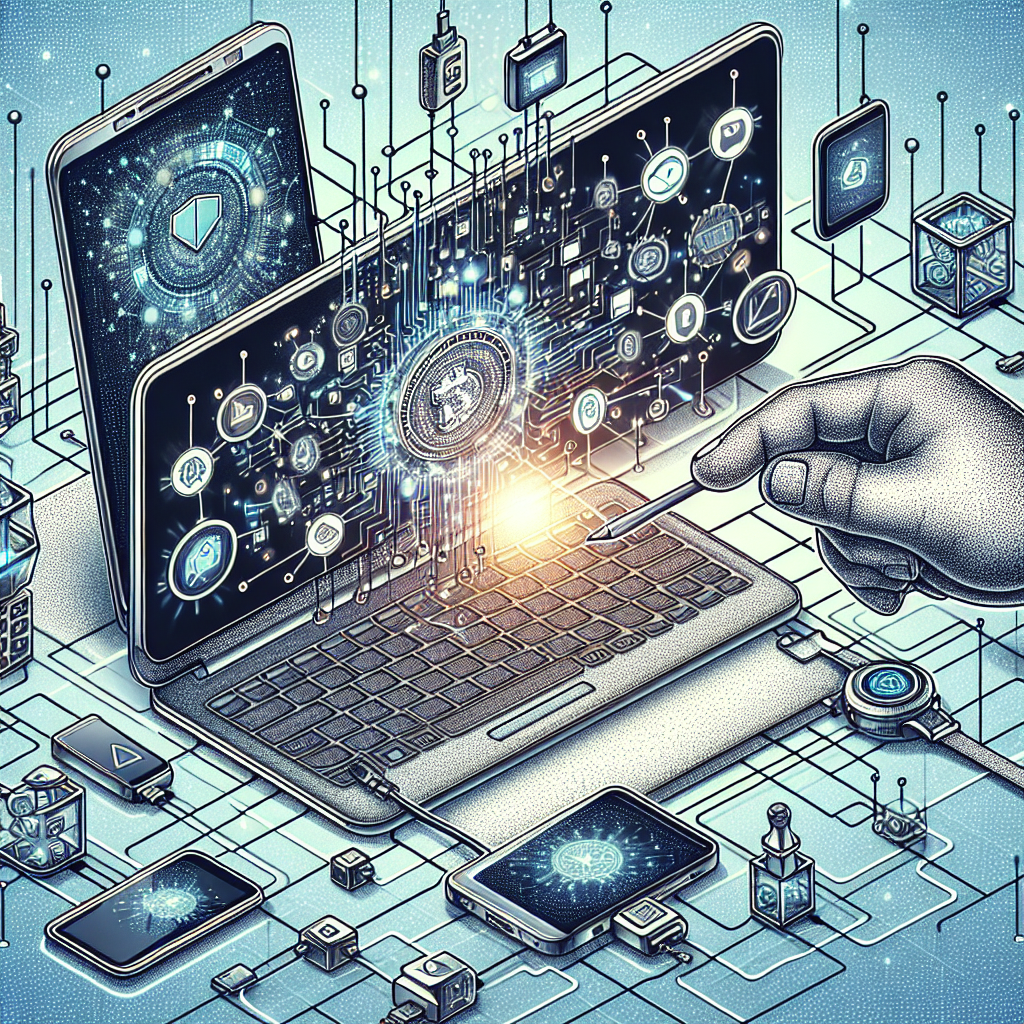
Utilizing the limited processing power and memory present in everyday appliances, micro mining represents a restricted scope of cryptocurrency generation. From smart refrigerators, washing machines, and air conditioners to vacuum cleaners, these appliances could potentially contribute to this process. However, the idea hasn’t seen success due to Bitcoin’s computational demands and the slow uptake of IoT by consumers.
Blockchain
Blockchain’s Revolutionary Impact on the Travel Industry
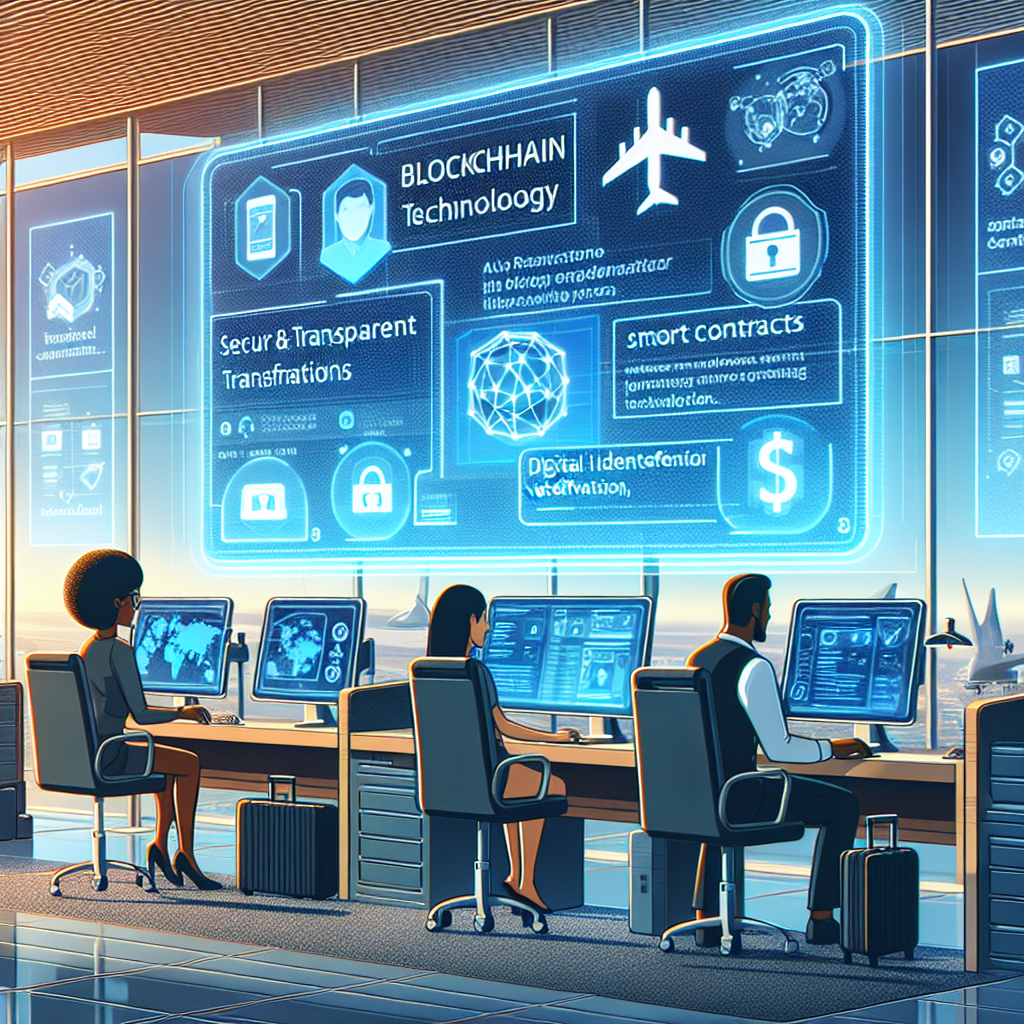
Data stored in blocks and linked together forms the essence of blockchain, a database type prevalent in cryptocurrency markets. It’s emerging as a transformative technological power capable of overturning the travel industry’s status quo and is considered a revolutionary change agent for various sectors.
Revolutionizing Financial Transactions: The Rise of JPM Coin

In an innovative move, JPMorgan Chase & Co. has unveiled JPM Coin, a digital token crafted to represent fiat currency, enhancing payment transfers amongst institutional clientele. Unlike cryptocurrencies such as Bitcoin, JPM Coin is intrinsically tied to fiat currency, maintaining a 1:1 redemption rate with funds held within JPMorgan. As of February 2020, JPM Coin was a strategic component within the company’s futuristic vision.
The Cryptocurrency Wave: Transforming the GPU Landscape

Bitcoin and other cryptocurrencies once found a goldmine in using graphics processing units (GPUs) for mining. Efficiently tackling hashing algorithms made GPUs indispensable for mining setups, resulting in skyrocketing prices and a notable scarcity of mining-ready graphics cards.
Why Is Cryptocurrency Relevant Today?

Seen primarily as virtual investment tools or payment methods, cryptocurrencies have a multitude of uses. Each person or organization might label or categorize them differently, yet terms like governance, utility, transactional, security, platform, and non-fungible are most frequently encountered.